
Үндэслэлтэй эргэлзээний цаана


Language


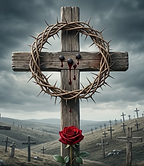


The True Gospel
e


The spiritual path begins with a direct call from Yeshua: “Repent, for the kingdom of heaven is at hand.” This imperative is the doorway to salvation—a foundational, inward shift away from sin and a fallen world, and a redirection of the heart toward the sovereign authority of God.
-
Matthew 4:17 — “From that time Jesus began to preach, and to say, ‘Repent: for the kingdom of heaven is at hand.’”
-
Mark 1:15 — “And saying, ‘The time is fulfilled, and the kingdom of God is at hand: repent ye, and believe the gospel.’”
2. The Doorway: Water Baptism and the Holy Spirit
Following the resurrection and ascension of Yeshua, Peter declared the active steps of covenant entry at Pentecost: turning in repentance, being buried with Messiah in baptism, and receiving divine empowerment through the Spirit.
-
Acts 2:38 — “Then Peter said unto them, ‘Repent, and be baptized every one of you in the name of Jesus Christ for the remission of sins, and ye shall receive the gift of the Holy Ghost.’”
-
John 3:5 — “Jesus answered, ‘Verily, verily, I say unto thee, Except a man be born of water and of the Spirit, he cannot enter into the kingdom of God.’”
3. The Blood: Grafted into the Commonwealth of Israel
By the blood shed on the tree, the dividing wall of hostility was torn down. Nations once alienated from the promises and covenants are brought near and grafted as wild olive branches into the root of Israel.
-
Ephesians 2:12–13 — “That at that time ye were without Christ, being aliens from the commonwealth of Israel, and strangers from the covenants of promise, having no hope, and without God in the world: But now in Yesgua messiah ye who sometimes were far off are made nigh by the blood of Christ.”
-
Romans 11:17 — “And if some of the branches be broken off, and thou, being a wild olive tree, wert graffed in among them, and with them partakest of the root and fatness of the olive tree.”
4. The Commission: Gathering Others into the Harvest
Salvation is not walked in isolation; a grafted branch bears fruit. Believers are commanded to act as fishers of men and ambassadors, working to gather the lost into the Father’s house before the end.
-
Matthew 28:19–20 — “Go ye therefore, and teach all nations, baptizing them in the name of the Father, and of the Son, and of the Holy Ghost: Teaching them to observe all things whatsoever I have commanded you.”
-
Matthew 9:37–38 — “Then saith he unto his disciples, ‘The harvest truly is plenteous, but the labourers are few; Pray ye therefore the Lord of the harvest, that he will send forth labourers into his harvest.’”
-
Luke 14:23 — “And the lord said unto the servant, ‘Go out into the highways and hedges, and compel them to come in, that my house may be filled.’”
5. The Perseverance: Holding Fast Until the End
The culmination of salvation requires endurance through trials, testing, and persecution. The promise of the eternal crown belongs to those who do not turn back.
-
Matthew 24:13 — “But he that shall endure unto the end, the same shall be saved.”
-
Hebrews 10:35–36 — “Cast not away therefore your confidence, which hath great recompence of reward. For ye have need of patience, that, after ye have done the will of God, ye might receive the promise.”
-
Revelation 2:25–26 — “But that which ye have already hold fast till I come. And he that overcometh, and keepeth my works unto the end, to him will I give power over the nations.”
Жинхэнэ сайн мэдээ
Есүс бидний нүглийн төлөө үхэхээр ирэх тухай сайн мэдээ байдаг гэж сударт хаана ч хэлээгүй.
Есүхэй юу номлосон бэ?
Библид сайн мэдээг үргэлж хэлж байснаас өөрөөр тодорхойлдог гэдгийг мэдээд олон хүн цочирдох болно. Нарийвчилсан уншлага нь бидний нүглийн төлөөх Христийн цусыг хүлээн авах нь үндсэндээ чухал байсан ч Түүний авчирсан "сайн мэдээ"-ний гол сэдэв биш бөгөөд элч нар үргэлжлүүлэн номлодог гэдгийг харуулдаг. Есүс бидний гэм нүглийн төлөө үхэхийн зэрэгцээ, Эцэг Еховагийн элч болж дэлхий дээр ирсэн.
Сайн мэдээ бол Ехова Есүсийг өөрийн хаанчлалыг дэлхий дээр ирүүлэхийг зарлахаар томилсон явдал юм.
-
Иохан 8:38 Би Эцэгтэйгээ харсан зүйлийнхээ тухай ярьж байна, харин та нар эцгээсээ сонссон зүйлээ хийдэг.
-
Иохан 12:49-50 Учир нь би өөрийн эрх мэдлээрээ хэлээгүй, харин Намайг илгээсэн Эцэг надад юу хэлэх, юу ярих зарлигийг Өөрөө өгсөн. 50 Мөн Түүний тушаал бол мөнх амьдрал гэдгийг би мэднэ. Тиймээс би юу хэлнэ, би Эцэгийн надад хэлсний дагуу хэлж байна."
-
Иохан 14:24 Намайг хайрладаггүй хүн Миний үгийг сахидаггүй. Мөн та нарын сонсох үг бол Минийх биш, харин Намайг илгээсэн Эцэг юм.
-
Лук 4:43 Есүс тэдэнд —Би ЭЗЭНий хаант улсын талаар тунхаглах ёстой.
Бусад хотууд ч гэсэн, учир нь би энэ зорилгоор илгээгдсэн."
Хэдийгээр Есүхэй энэ дэлхий дээр алхаж явсан хамгийн чухал хувь хүн байсан ч Есүхэйгийн авчирсан сайн мэдээ нь зөвхөн Түүний тухай биш гэдгийг Библи тодорхой харуулдаг. Түүний мэдэгдлийг уншаад, үүнийг өөрөө нотлох:
-
Матай 9:35 Есүс бүх хот тосгодоор явж, тэдний синагогт сургаал айлдаж, хаант улсын сайн мэдээг тунхаглаж, бүх өвчин эмгэгийг эдгээв. 36 Тэр цугласан олныг хараад, тэднийг өрөвдөн хайрлав, учир нь тэд хоньчингүй хонь мэт дарамталж, арчаагүй байсан.…
-
Марк 1:14-15 Иоханы шоронд хоригдсоны дараа Есүс Галилд ирж, номлож байв.
Бурханы хаанчлалын сайн мэдээг мөн "Цаг нь дуусч, Бурханы хаанчлал ойрхон байна. Наманчилж, сайн мэдээнд итгэ" гэж хэлдэг.
43
-
Лук 8:1 Дараа нь Есүс бүх хот, тосгоноор явж, Бурханы хаант улсын тухай [сайн мэдээг] тунхаглаж, сайн мэдээг авчрав.
-
Лук 16:16 Хууль ба эш үзүүлэгчид Иохан хүртэл байсан. Тэр цагаас хойш Бурханы хаанчлалыг тунхаглаж, хүн бүр түүн рүү тэмүүлж байна.
-
Матай 24:14 Тэнгэр газар алга болох нь хуулийн нэг нэр алдагдахаас амархан. Мөн хаант улсын энэ сайн мэдээ бүх үндэстэнд гэрчлэгдэн дэлхий даяар тунхаглагдах бөгөөд дараа нь төгсгөл ирнэ.
Эцэгийн Есүсээр дамжуулан өгсөн "сайн мэдээ"-ий тухай зарласан нь өнөөдөр сонсогдож болох хамгийн сайхан мэдээ нь дэлхий дээр Түүний хаант улс байгуулагдсан тухай байв. хаант улс гэж юу вэ?
Энэ нь үндсэндээ бүх иргэд, газар нутаг, хууль тогтоомжтой, засгийн газраас захирагддаг үндэстэн юм. Библийн хэрэглээнд хаант улс гэдэг нь нэг эцэг эхээс үндэстэн болж өссөн гэр бүл гэсэн үг юм.
Хаант улс дөрвөн үндсэн элементтэй:
-
хаан, дээд захирагч, удирдах төлөөлөгч;
-
нутаг дэвсгэр, түүний тодорхой байршил, тодорхой хилийн шугам;
-
тухайн нутаг дэвсгэрийн харьяалалд хамаарах субьект буюу иргэд;
-
захирагчийн хүсэл зоригийг хэрэгжүүлэх хууль тогтоомж, засаглалын хэлбэр. Хэрэв бид эдгээр чухал элементүүдийн аль нэгийг нь үл тоомсорловол—хэрэв бид Есүсийн Эцэгээс авчирсан захиасыг үл тоомсорловол—бид аврал авчрахгүй гажуудсан итгэлтэй байх болно.
Хэн хаан болох вэ?
Бурхны Хаанчлалын Хаан бол Есүхэй байх нь эргэлзээгүй. Хэдийгээр Тэр дэлхий дээр байхдаа иргэний эрх мэдлийг хэрэгжүүлээгүй ч буцаж ирэхдээ тэрээр "хаадын Хаан, эздийн Эзэн" болно I Тимот 6:15; Илчлэлт 19:16; 17:14).
Бусад бошиглогчид зөвхөн Израиль, Иудагийн төдийгүй бүх дэлхийг хамарсан хаан ирэхийг зөгнөсөн. Исаиа бидэнд хэлэхдээ:
Учир нь бидэнд Хүү төрсөн, бидэнд Хүү өгөгдсөн; мөн засгийн газар Түүний мөрөн дээр байх болно. Түүний нэрийг Гайхамшигт, Зөвлөгч, Хүчит Бурхан, Мөнхийн Эцэг, Энх тайвны ханхүү гэж нэрлэх болно. Давидын сэнтий болон Түүний хаант улсыг тэр цагаас хойш, бүр үүрд мөнхөд шүүлт ба шударга ёсоор захирч, тогтоох нь Түүний засгийн газар болон амар амгалангийн өсөлтөд төгсгөл байхгүй болно. Түмний ЭЗЭНий хичээл зүтгэл үүнийг хийх болно. (Исаиа 9:6-7)
Хаанчлал хаана байгуулагдах вэ? Сатаны хүн төрөлхтөнд түрэмгийлсэн гол худал зүйл бол үхсэний дараа сүнс нь диваажинд очдог гэсэн итгэл юм. Олон хүмүүс Бурханы хаант улс гэдэг хэллэгийг тэнгэртэй ижил утгатай гэж үздэг ч Библид Есүхэй буцаж ирэхэд Бурханы хаант улс газар дээр тогтоно гэж заадаг!
Нэгдүгээрт, Библи үхсэний дараа "диваажинд очих" гэсэн ойлголтыг хэрхэн бүрэн үгүйсгэж байгааг анзаараарай. Петр Пентекостын өдөр цугласан олонд хандан, "Ах дүү нар аа, патриарх Давидын талаар, тэр үхсэн бөгөөд оршуулсан бөгөөд түүний булш өнөөг хүртэл бидэнтэй хамт байгаа гэдгийг би та нарт чөлөөтэй хэлье.
.. Учир нь Давид тэнгэрт гарч ирээгүй" (Үйлс 2:29, 34). Энэ "Бурханы зүрх сэтгэлийг дагасан хүн" тэнгэрт биш, харин булшинд байгаа хэвээр байна! Бидний Аврагч үүнийг баталж байна.
-
Иохан 3:13: "Тэнгэрээс бууж ирсэн, өөрөөр хэлбэл, тэнгэр дэх Хүний Хүүгээс өөр хэн ч тэнгэрт гарсангүй."
-
Номлогчийн үгс 9:5,10 Хуучин ба Шинэ Гэрээний үхсэн гэгээнтнүүд ч ухамсаргүйгээр булшиндаа унтаж, амилахыг хүлээж байна.
-
Иов 14:14-15 Амилалтаа хүлээж буй тухай Иов ингэж дүрсэлсэн байдаг: "Хэрэв хүн үхвэл тэр дахин амилах болов уу? Миний өөрчлөлт ирэх хүртэл Миний хүнд хэцүү үйлчлэлийн бүх өдрүүдийг би хүлээх болно. Чи дуудах болно, би болно. чамд хариулах.
-
Илчлэлт 5:10, "Мөн Та тэднийг манай Бурханд зориулан хаант улс (хааны угсаа), тахилч нар болгосон бөгөөд тэд газар дээр хаанчлах болно!"
-
ИЛЧЛЭЛТ 11:15 Тэгтэл долоо дахь тэнгэр элч дуугарав: Тэнгэрт чанга дуу хоолой сонсогдов. "Энэ дэлхийн хаанчлалууд нь бидний ЭЗЭН болон Түүний Хүүгийн хаант улсууд болсон бөгөөд Тэр мөнхөд мөнхөд хаанчлах болно!"
-
Илчлэлт 21:21. Мөн би шинэ тэнгэр, шинэ газрыг харсан, учир нь анхны тэнгэр ба анхны газар өнгөрчээ. Мөн далай гэж байхгүй болсон. Дараа нь би, Иохан, ариун хот Шинэ Иерусалимыг нөхрийнхөө төлөө чимэглэсэн сүйт бүсгүй мэт бэлтгэгдсэн, Бурханаас тэнгэрээс бууж ирэхийг харав. Тэгээд би тэнгэрээс чанга дууг сонссон: "Харагтун, Бурханы асар хүмүүстэй хамт байдаг бөгөөд Тэр тэдэнтэй хамт байх болно, мөн тэд Түүний ард түмэн байх болно. Бурхан Өөрөө тэдэнтэй хамт байж, тэдний Бурхан байх болно. Тэгээд Бурхан тэднийг арчина. Тэдний нүднээс нулимс бүрийг зайлуулж, үхэл ч үгүй, уй гашуу ч, уйлах ч үгүй. Өвдөлт ч байхгүй, учир нь өмнөх зүйлүүд өнгөрсөн.
…
-
Илчлэлт 21:1 Ялсан хүн бүхнийг өвлөн авах бөгөөд Би түүний Бурхан, тэр Миний хүү болно." Хаанчлалын харьяат, иргэд хэн бэ? Хэдийгээр Есүс хаант улсыг байгуулах үед дэлхийг бүхэлд нь захирна. Дэлхий дээрх бүх хүн тэр хаант улсын иргэн биш, хүн бүр хаадын Хаанд захирагдах болно, гэхдээ хүн бүр тэрхүү сүнслэг хаант улсад ороогүй байх болно.
-
Иохан 3:3 Есүс Никодемид энэ үнэнийг илчилсэн. Шөнийн цагаар Никодем Түүнд ирэхэд, Есүс түүнд "Үнэнээр би чамд хэлье, хэрэв хүн дахин төрөхгүй бол Бурханы хаанчлалыг харж чадахгүй" гэж хэлэв.
-
1 Коринт 15:50. Паул Коринтчуудад "Мах цус [мөнх бус хүмүүс] Бурханы хаант улсыг өвлөн авч чадахгүй; ялзрал нь ялзралыг өвлөж чадахгүй" гэж хэлсэн байдаг. Бид бие махбодь, мах цуснаас бүрдсэн биетэй атлаа Хаанчлалын өв залгамжлагчид байж болох ч орж чадахгүй. Амилалтад сүнснээс бүрдсэн сүр жавхлант биеийг өгөгдсөн сүнс болох хүртлээ Хаанчлалд бүрэн орж, бид үүнийг харж чадахгүй.
Энэ нь бүх хүн төрөлхтөн Есүхэй дэлхий дээр захирагдах Хаанчлалд захирагдах хэдий ч тэд түүний нэг хэсэг байх албагүй гэсэн үг юм.
Матай 25:31-34 Хүний Хүү бүх ариун тэнгэр элч нартай хамт алдар суугаараа ирэхэд Тэр Өөрийн алдрын сэнтийд залрах болно. Бүх үндэстнүүд Түүний өмнө цугларч, хоньчин хонио ямаанаас хуваадаг шиг Тэр тэднийг нэг нэгнээсээ тусгаарлана. Тэгээд Тэр хонинуудыг баруун гартаа, харин ямаануудыг зүүн талд нь тавих болно. Дараа нь Хаан баруун гар талд байгаа хүмүүст хандан "Миний Эцгийн адислагдсан та нар ирээрэй, дэлхийн үүсгэн байгуулагдсанаас хойш та нарт зориулан бэлтгэсэн хаант улсыг өвлөн ав" гэж хэлэх болно. Тэгвэл Бурханы хаант улсыг Есүхэй захирч, үхэгсдээс амилуулснаараа алдаршсан хүмүүс өвлөн авах болно. Бурхны Хаанчлалын иргэд болох амилсан гэгээнтнүүд тэдэнтэй хамт захирна
Есүс дэлхий дээрх үлдсэн ард түмнийг захирдаг (Даниел 7:27; II Тимот 2:12; Илчлэлт 2:26-28; 5:9-10; 20:4-6; 22:5). Хаант улсын хууль гэж юу вэ?
-
Шүүгчид 21:25. Хууль бол иргэний болон хүмүүс хоорондын харилцаанд эв нэгдэл, зөвшилцөл, амар амгаланг хангахын тулд хүмүүсийн дагаж мөрдөх заавар юм. Бүрэн эрхт удирдагчийн хэрэгжүүлдэг тодорхой стандартгүй бол хүн бүр өөрийн хүсэл сонирхол, хүслийн дагуу үйлдэж, сайн, үнэ цэнэтэй зүйл гарахгүй. Бурханы хаант улс ч ялгаагүй.
-
1 Коринт 14:33 Бурхан төөрөгдөл үүсгэгч биш. Түүний хаант улс амар амгалан, эмх цэгцтэй байх болно, учир нь түүнд орох хүн бүр Бурханы хууль буюу зарлигуудад сайн дураараа захирагдах болно. Өөрт нь дуулгавартай дагахгүй гэдгээ амьдралынхаа хэв маягаар харуулсан хэн ч Бурхан Өөрийн хаант улсад байхгүй.
-
(Матай 7:21-23; Еврей 10:26-31). Илчлэлт 12:17-д гэгээнтнүүдийг "Бурханы зарлигуудыг сахиж, Есүсийн тухай гэрчлэлтэй хүмүүс" гэж тодорхойлдог.
Бурханыг хайрлах, хөршөө өөрийнхөөрөө хайрлах гэсэн эдгээр хоёр мэдэгдэл нь эхний дөрөв ба сүүлчийн зургаан зарлигийг тус тус бүрдүүлдэг. Зарлигууд нь зөвхөн Бурханыг хэрхэн хайрлаж, хүнийг хайрлахыг илүү тодорхой тодорхойлдог. Бид Бурханыг ерөнхийд нь нэгдүгээрт тавьж, Түүнийг шүтэн мөргөхдөө бие махбодын тусламж авахгүй, Түүний нэрийг дэмий нэрлээгүй, долоо дахь өдрийн Амралтын өдрийг ариунаар сахиснаараа түүнийг хайрладаг. Ер нь бид эцэг эхээ хүндлэх, хүн амины хэрэг үйлдэхгүй, завхайрахгүй, хулгай хийхгүй, худал хэлэхгүй, шунахайрахгүйгээр хүнийг хайрладаг.
-
Иохан 14:15 "Хэрэв чи Намайг хайрладаг бол Миний зарлигуудыг сахи. "Хэн Миний зарлигуудыг эзэмшиж, тэдгээрийг сахидаг тэр нь Намайг хайрладаг. Мөн Намайг хайрладаг хүнийг Эцэг минь хайрлах бөгөөд Би түүнийг хайрлаж, илчлэх болно. Би түүнд." "Хэрэв хэн нэгэн Намайг хайрладаг бол тэр Миний үгийг сахих болно; Эцэг минь түүнийг хайрлах болно, мөн бид түүн дээр ирж, Түүнтэй гэр орон болгоно. Намайг хайрладаггүй хүн Миний үгийг дагадаггүй; мөн та нарын сонссон үгийг дагадаггүй. Энэ бол Минийх биш харин Намайг илгээсэн Эцэг юм."
The Gospel (in Hebrew, the Besorah—"good news") that Yeshua (Jesus) personally preached is summarized in Mark 1:14–15:
"Now after John was put in prison, Yeshua came to Galilee, preaching the gospel of the kingdom of God, and saying, 'The time is fulfilled, and the kingdom of God is at hand. Repent, and believe in the gospel.'"
While modern ears often hear "the gospel" defined exclusively as the mechanics of individual salvation (how to go to heaven when you die), Yeshua’s proclamation was broader, deeper, and grounded in the Hebrew Scriptures: the Gospel of the Kingdom of God (Besorat HaMalkhut).
He announced that the sovereign rule, authority, and covenant reign of the Creator had broken directly into this fallen world through the King Himself.
1. "The Time is Fulfilled" (Prophetic Arrival)
When Yeshua said the time was fulfilled, He was speaking to a nation longing for deliverance. The prophecies of Daniel (the timeline of Daniel 9 and the stone that crushes the kingdoms of the world in Daniel 2) and Isaiah were reaching their climax.
In Luke 4:18–19, He opened the scroll of Isaiah 61 in the Nazareth synagogue to define His mandate:
-
Preaching good tidings to the poor and humble.
-
Healing the brokenhearted.
-
Proclaiming liberty to the captives and the opening of prison to those who are bound.
-
Proclaiming the acceptable year of the Lord (the ultimate Jubilee release from sin and debt).
-
2. "The Kingdom of God is at Hand" (The Core Proclamation)
Yeshua did not preach an abstract philosophy; He preached an active government and reign:
-
Sovereignty over the Kingdom of Darkness: Every time Yeshua cast out a demon, healed incurable diseases, or raised the dead, He was demonstrating that Satan’s usurpation of the earth was being overthrown. "If I cast out demons by the finger of God, surely the kingdom of God has come upon you" (Luke 11:20).
-
The Nature of the King’s Reign: His kingdom was not of this worldly system—it did not advance through political intrigue, violence, or human armies (John 18:36). Instead, it advanced through truth, sacrificial love, humility, and righteousness.
-
Present and Future: The Kingdom is already here in the hearts and walk of those who submit to the King, and it is yet to come in its physical, global fullness when the King returns to establish His reign in Jerusalem (Zechariah 14; Revelation 11:15).
-
3. "Repent" (Teshuvah — A Complete Return)
To enter this Kingdom, the requirement was not a passive intellectual nod, but Teshuvah—a radical turning around:
-
Turning from Self-Rule to God's Rule: Repentance means laying down rebellion, secular autonomy, and false religious pretenses.
-
Internalizing the Commandments: In the Sermon on the Mount (Matthew 5–7), Yeshua explained the constitution of the Kingdom. He made it clear that He did not come to abolish the Law or the Prophets, but to fill them to the full (Matthew 5:17). Kingdom repentance goes beyond external legalism to the motives of the heart—eradicating lust, hatred, pride, and greed.
-
Fruit of Repentance: Just as John the Baptist warned, Yeshua taught that true repentance always bears observable, righteous fruit (Matthew 7:16–21).
-
4. "Believe in the Good News" (Covenant Faith & Allegiance)
In the biblical mindset, "belief" (emunah) is not merely agreeing that God exists; it is active loyalty, trust, and obedience to the King:
-
Trusting the Father’s Provision: Ceasing to worry about food, drink, and clothing like the nations do, but rather "seeking first the kingdom of God and His righteousness, and all these things shall be added to you" (Matthew 6:33).
-
Trusting the Sacrifice of the Son: Yeshua taught that He came "not to be served, but to serve, and to give His life a ransom for many" (Mark 10:45). The Good News is that the King took the curse of our disobedience upon Himself at Passover, shedding His blood to ratify the New Covenant (Matthew 26:28).
-
Victory Over the Grave: Yeshua promised that whoever hears His word and believes Him who sent Him has passed from death into life (John 5:24), anchored by His own resurrection as the firstfruits from the dead.
-
5. Summary: What Entering the Gospel Requires
In Yeshua's own words, walking in the Gospel means:
-
Denying Self: "If anyone desires to come after Me, let him deny himself, and take up his cross daily, and follow Me" (Luke 9:23).
-
Obeying the Father's Will: "Not everyone who says to Me, 'Lord, Lord,' shall enter the kingdom of heaven, but he who does the will of My Father in heaven" (Matthew 7:21).
-
Loving God and Neighbor: Loving the Lord with all your heart, soul, mind, and strength, and loving your neighbor as yourself (Mark 12:29–31).
-
Proclaiming the Kingdom to All Nations: "And this gospel of the kingdom will be preached in all the world as a witness to all the nations, and then the end will come" (Matthew 24:14).
In short, the Gospel Yeshua taught is the royal proclamation that God’s reign has arrived in His Messiah, calling every human heart to turn away from sin, enter covenant peace with the Father through the Son, and live as an obedient citizen of His eternal Kingdom.
In ancient kingdoms, when a king ascended his throne, he issued a royal charter or legal code declaring how his realm would be governed and what was expected of his subjects. In Matthew 5–7, Yeshua goes up on a mountain—echoing Moses ascending Mount Sinai—sits down in the posture of a reigning king and teacher, and delivers the manifesto of His newly inaugurated reign.
The Sermon on the Mount is not an impractical, idealistic philosophy, nor is it a checklist to earn salvation. It is the living, practical constitution of the Kingdom of God, dictating the character, inner motives, ethics, and daily allegiance required of every citizen walking under Messiah's rule.
1. The Preamble: The Citizen’s Internal Disposition (The Beatitudes)
Any national constitution opens with foundational values. Earthly empires prize military conquest, political clout, wealth, and self-assertion. Yeshua begins His charter (Matthew 5:3–12) by turning the world's value system completely upside down:
-
Poor in Spirit: Recognizing total spiritual bankruptcy and utter dependence on the King.
-
Mourning: Grieving over personal sin and the brokenness of a fallen world.
-
Meekness: Possessing harnessed strength, patience, and humility rather than violent ambition.
-
Hunger for Righteousness: Longing for God’s righteous order to prevail more than craving food or physical comfort.
-
Mercy and Purity of Heart: Extending forgiveness and maintaining undivided, uncorrupted loyalty to God.
-
Peacemaking: Actively reconciling estranged parties, reflecting the character of the Father.
These are not separate groups of people receiving different rewards; together, they describe the temperament of the citizen who has laid down self-rule.
2. The Citizen’s Public Office: Salt and Light
Citizens of the Kingdom do not live in isolationist enclaves; they are embedded directly into a decaying and dark culture (Matthew 5:13–16):
-
Salt of the Earth: In antiquity, salt was a preservative that arrested rot and decay. Kingdom citizens preserve truth, hold back moral corruption, and bring spiritual flavor to the societies they inhabit.
-
Light of the World: Light exposes danger and guides the traveler. Believers do not hide their allegiance to the King; their visible, tangible good works shine so that observers give glory directly to the Father.
-
3. The Legal Standard: Fulfilling and Internalizing the Law
In Matthew 5:17–20, Yeshua establishes the legal framework of His government, dispelling any thought of lawlessness or anarchy:
"Do not think that I came to destroy the Law or the Prophets. I did not come to destroy but to fulfill. For assuredly, I say to you, till heaven and earth pass away, one jot or one tittle will by no means pass from the law till all is fulfilled."
To "fulfill" (pleroo) in Hebrew thought means to bring the law to its fullest intended meaning and expression, not to abolish it. Yeshua contrasts the superficial, external legalism of the religious establishment with the King’s internal standard. Through a series of six antitheses ("You have heard that it was said... but I say to you"), He shows that the King's law governs the thoughts and desires before an act is ever committed:
-
Murder vs. Contempt: It is not enough to refrain from physical murder; harboring bitter anger, resentment, or hurling venomous insults (Raca) makes one liable to judgment (5:21–26).
-
Adultery vs. Lust: Purity is not just refraining from physical unfaithfulness; looking with covetous intent is adultery in the heart (5:27–30).
-
Oaths vs. Total Integrity: Citizens do not need elaborate religious oaths or legal loopholes to verify their truthfulness; their word is their bond—their "Yes" means yes, and their "No" means no (5:33–37).
-
Retaliation vs. Sacrificial Generosity: Rather than demanding immediate vengeance ("an eye for an eye"), citizens yield personal rights, go the extra mile, and overcome evil with good (5:38–42).
-
Love for Enemies: The ultimate test of Kingdom citizenship is reflecting the Father’s indiscriminate benevolence—praying for persecutors and blessing those who curse you (5:43–48).
-
4. Public Duty & Worship: Sincerity Over Religious Theater
In Matthew 6, Yeshua regulates the three primary pillars of personal religious duty: giving, prayer, and fasting. In earthly systems, piety is often weaponized for social prestige. In the Kingdom, performance art is condemned:
-
Secret Giving (Alms): Giving to the needy without sounding a trumpet or announcing tax write-offs; the left hand does not know what the right is doing.
-
Secret Prayer: Communing behind closed doors with the Father, rather than reciting vain, repetitive words to impress bystanders. He provides the Model Prayer (the Lord's Prayer), teaching citizens to align their desires with the Father’s name, His kingdom coming, and His will being done on earth.
-
Secret Fasting: Anointing the head and washing the face so that the physical affliction of fasting is unseen by men, directed only to the Father who sees in secret.
-
5. The Economic System: Trust, Not Striving
Every kingdom has an economy. The economy of the world is driven by fear, scarcity, hoarding, and status anxiety. The Kingdom of God operates on radical faith in divine provision (Matthew 6:19–34):
-
Currency: True wealth is not stored in physical barns, bank vaults, or commodities where moth and rust destroy; it is stored in heaven through generous, righteous living.
-
Singular Focus: A servant cannot serve two masters. You cannot pledge allegiance to the Creator while serving Mammon (wealth/money).
-
Freedom from Worry: Citizens do not sweat and panic over daily bread or clothing like the pagans do. The King feeds the birds of the air and clothes the lilies of the field. The citizen's sole operational directive is:
"Seek first the kingdom of God and His righteousness, and all these things shall be added to you." (Matthew 6:33)
6. Relational Protocol: Righteous Discernment Without Self-Righteous Condemnation
In Matthew 7:1–12, Yeshua sets the rules for how citizens treat one another:
-
The Spec and the Log: Before attempting to perform delicate eye surgery on a brother’s fault, remove the massive log of blind self-righteousness from your own eye.
-
Holy Discernment: While judgment is warned against, discernment is commanded—do not cast pearls before swine or give what is sacred to dogs.
-
Persistent Petitions: Keep asking, seeking, and knocking, trusting that the Father gives good gifts to His children.
-
The Royal Rule (The Golden Rule): "Whatever you want men to do to you, do also to them, for this is the Law and the Prophets." (Matthew 7:12)
-
7. The Ratification: Hearing vs. Doing
A constitution is useless if it is merely read and debated rather than obeyed. Yeshua concludes His address with four sobering warnings demanding personal allegiance:
-
Two Gates: The wide, crowded gate leading to destruction versus the narrow, difficult gate leading to life (7:13–14).
-
Two Trees: True prophets and false prophets, known not by their charisma or titles, but by their actual fruit (7:15–20).
-
Two Confessions: Warning that crying "Lord, Lord" or performing signs in His name is worthless if one practices lawlessness (anomia). Only those who do the will of the Father will enter (7:21–23).
-
Two Foundations: The sermon ends with a dramatic builder’s test. The person who hears these words and builds on them is a wise man who digs deep and anchors his house on the solid bedrock. When the storms, floods, and winds beat against that life, it stands firm. The person who hears and does not obey builds on shifting sand—and great is the fall of it (7:24–27).
-
When Yeshua concluded, the crowds were astonished. He did not quote human traditions or cite precedent like the scribes; He spoke as the Lawgiver and King Himself, laying down the permanent, unalterable rule of life for all who call Him Lord.